What is PAM
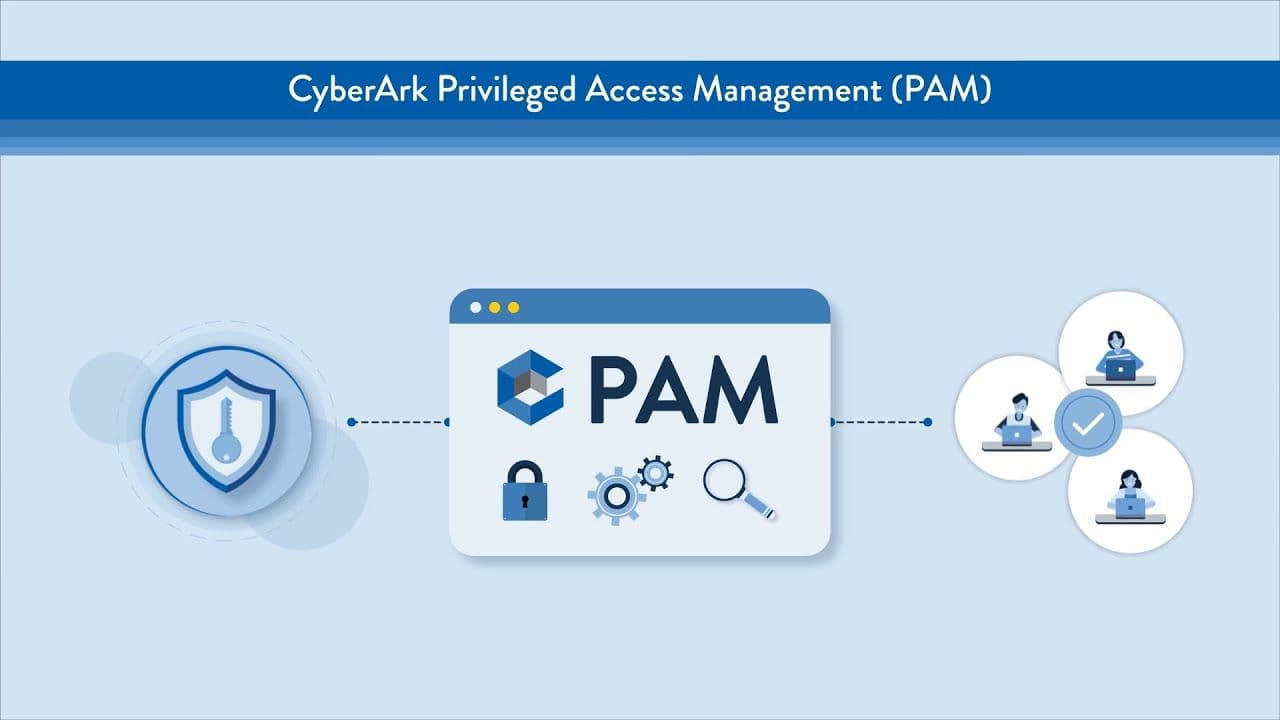
PAM, or Privileged Access Management, is a security technology used to monitor and protect access of users with the highest privileges in IT systems—such as administrators, root accounts, service accounts, and others.
What is PAM ? 🛡️
The main purpose of this system is to monitor, restrict, and record who accesses critical systems, when, and why. Imagine that the company's most powerful key is kept only in a special cabinet, and the system records anyone who tries to open the door with it. PAM does exactly this digitally.
Let's get acquainted with the main functions of the PAM system:
- Session monitoring records all screen actions when an administrator logs in
- With the one-time password system (OTP), a new and unique password is generated each time you log in
- With the time restrictions feature, access is only granted during certain hours.
- Audit reports provide information on who accessed the system, when, where, and how.
Why Is Privileged Access Management (PAM) Important?
PAM helps organizations securely manage accounts with elevated privileges in corporate IT environments. Administrator, root, and service accounts can provide access to critical systems, servers, and databases. Without proper control, these accounts may expose businesses to data breaches, unauthorized system changes, and operational disruptions.
Implementing PAM offers several benefits:
Access management: Ensures that administrator and other privileged accounts are used only within defined permissions.
Activity monitoring: Records access to critical systems and user activities, making security investigations easier.
Data protection: Helps reduce the risk of unauthorized access and misuse of privileged accounts.
Simplified auditing: Makes it easier to generate reports on user activities and review access histories.
These capabilities are particularly important for companies managing numerous servers, user accounts, and critical information systems. PAM complements an organization's broader information security strategy by keeping privileged access under control.
What Security Risks Does PAM Reduce?
Security risks in corporate IT environments are not limited to external cyberattacks. Excessive user permissions, shared administrator accounts, and weak credentials can also create serious security threats.
PAM provides additional security controls to help manage these risks.
When properly implemented, PAM can reduce the following threats:
Unauthorized access: Restricting access to privileged accounts reduces the likelihood of unauthorized users accessing critical resources.
Credential theft: Secure credential storage and regular password rotation help reduce the risk of account misuse.
Insider threats: Monitoring user activities allows organizations to detect suspicious actions and investigate security incidents.
Excessive privileges: Granting users only the permissions necessary for their responsibilities limits the potential impact of security incidents.
Reducing these risks through PAM is part of a company's overall security strategy. Effective protection also requires attention to network security, system updates, and continuous monitoring.
What Is the Difference Between PAM and IAM?
PAM and IAM (Identity and Access Management) are security approaches used to manage user access to digital resources. Although both technologies help control access to systems and information, they serve different purposes.
IAM focuses on managing user identities, authentication, and access permissions across an organization. For example, granting employees access to corporate email, internal applications, and other business systems falls within the scope of IAM.
PAM, on the other hand, focuses specifically on privileged accounts and access to critical resources. It can be used to control administrator connections to servers, changes to databases, and the granting of temporary elevated permissions.
In simple terms, IAM manages general user access, while PAM provides additional security controls for privileged accounts and high-risk operations. Together, these approaches help strengthen an organization's overall access security.
Where Are PAM Systems Used?
PAM is used in organizations that manage confidential information, critical IT systems, and accounts with elevated privileges. These solutions are particularly important for businesses operating multiple servers, databases, and corporate applications.
Common areas of PAM implementation include:
Banks and financial institutions: Managing administrator access to financial information, transaction systems, and critical servers.
Government organizations: Restricting access to information systems and monitoring privileged user activities.
Telecommunications companies: Controlling technical access to network equipment and critical services.
Energy and industrial enterprises: Protecting privileged access to critical IT infrastructure and relevant industrial systems.
Corporate organizations: Centrally managing administrator permissions across servers, cloud platforms, and databases.
PAM is not limited to large enterprises. Small and medium-sized businesses that manage critical information, use multiple administrator accounts, or work with external IT support providers can also benefit from PAM solutions suited to their needs.
What Should Companies Consider When Choosing a PAM System?
When choosing a PAM system, organizations should consider their existing IT infrastructure, number of users, critical systems, and security requirements. Different solutions offer different capabilities, so it is important to evaluate how well they meet the company's actual needs.
First, organizations should identify which administrator and service accounts require protection. They should then check the solution's compatibility with existing servers, databases, cloud platforms, and authentication systems.
Other important factors to consider include:
Centralized management of privileged accounts;
Session monitoring and user activity recording;
Secure credential storage and automated password rotation;
Temporary access permissions and approval workflows;
Audit reporting and integration with existing security systems.
Regularly reviewing security policies after implementation is equally important. New employees, changes in responsibilities, and IT infrastructure expansion may require access permissions to be reassessed.
Technofusion provides cybersecurity solutions tailored to business requirements. Contact the Technofusion team to assess your privileged access management needs, identify existing security risks, and strengthen your IT infrastructure.